FCPS MCPS IMM MD Paediatrics TOACS
Observed Station | CPSP Format | 8 minutes
⏱️ TIME REMAINING
08:00
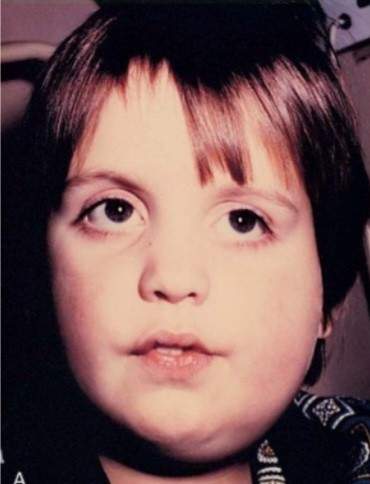
❓ Q1. Identify the condition shown in the image. Describe the characteristic features of the swelling.
✅ Model Answer: • Condition: Mumps (viral parotitis).
• Characteristics: Unilateral or bilateral parotid swelling that obscures the angle of the mandible; ear lobe is displaced upward and outward; swelling is firm, tender, and painful, especially with chewing or sour foods. No erythema or purulent discharge from Stensen's duct.
• Characteristics: Unilateral or bilateral parotid swelling that obscures the angle of the mandible; ear lobe is displaced upward and outward; swelling is firm, tender, and painful, especially with chewing or sour foods. No erythema or purulent discharge from Stensen's duct.
❓ Q2. What is the etiologic agent of mumps? How is it transmitted?
✅ Model Answer: • Etiologic agent: Mumps virus – an RNA virus from the family Paramyxoviridae (genus Rubulavirus).
• Transmission: Respiratory droplets (coughing, sneezing), direct contact with infected saliva, or contact with contaminated fomites. Humans are the only natural host.
• Transmission: Respiratory droplets (coughing, sneezing), direct contact with infected saliva, or contact with contaminated fomites. Humans are the only natural host.
❓ Q3. What is the incubation period of mumps? What is the contagious period?
✅ Model Answer: • Incubation period: 16-18 days (range 12-25 days).
• Contagious period: 3 days before symptom onset to 5 days after parotitis appears (most infectious 1-2 days before and after parotitis onset).
• Patients should be isolated for 5 days after parotid swelling begins.
• Contagious period: 3 days before symptom onset to 5 days after parotitis appears (most infectious 1-2 days before and after parotitis onset).
• Patients should be isolated for 5 days after parotid swelling begins.
❓ Q4. What is the clinical presentation of mumps? What are the prodromal symptoms?
✅ Model Answer: • Prodrome (2-3 days before parotitis): Fever, headache, malaise, myalgia, anorexia, and fatigue.
• Parotitis: Painful, tender swelling of one or both parotid glands; swelling obscures the angle of the jaw; ear lobe displaced upward and outward; pain worsens with chewing, talking, or eating sour/acidic foods (which stimulate salivary flow).
• May also have submandibular or sublingual gland involvement.
• Parotitis: Painful, tender swelling of one or both parotid glands; swelling obscures the angle of the jaw; ear lobe displaced upward and outward; pain worsens with chewing, talking, or eating sour/acidic foods (which stimulate salivary flow).
• May also have submandibular or sublingual gland involvement.
❓ Q5. How is mumps diagnosed?
✅ Model Answer: • Clinical diagnosis: Characteristic parotid swelling with prodromal symptoms and exposure history.
• Laboratory:
- PCR: From buccal (oral) swab, urine, or CSF – most sensitive within first 3 days of parotitis.
- Serology: Mumps-specific IgM (detectable 3-5 days after onset) or a 4-fold rise in IgG.
- Viral culture: From saliva, urine, or CSF (less commonly used).
- Serum amylase: May be elevated.
• Laboratory:
- PCR: From buccal (oral) swab, urine, or CSF – most sensitive within first 3 days of parotitis.
- Serology: Mumps-specific IgM (detectable 3-5 days after onset) or a 4-fold rise in IgG.
- Viral culture: From saliva, urine, or CSF (less commonly used).
- Serum amylase: May be elevated.
❓ Q6. What is the management of mumps? )
✅ Model Answer: • Supportive care: Analgesics (paracetamol, ibuprofen) for fever and pain; adequate hydration; soft, non-acidic diet; warm or cold compresses for parotid swelling.
• Isolation: 5 days after parotid swelling onset.
• No specific antiviral therapy.
• Complications: Manage as needed (e.g., analgesics for orchitis, steroids for severe orchitis, supportive care for meningitis).
• Isolation: 5 days after parotid swelling onset.
• No specific antiviral therapy.
• Complications: Manage as needed (e.g., analgesics for orchitis, steroids for severe orchitis, supportive care for meningitis).
❓ Q7. What is the most common complication of mumps? What other complications can occur?
✅ Model Answer: • Most common complication: Aseptic meningitis (10-30% of cases) – usually self-limiting, with CSF lymphocytic pleocytosis.
• Other complications:
- Orchitis: 30-40% in postpubertal males (rare before puberty); can lead to testicular atrophy but rarely sterility.
- Oophoritis: In postpubertal females (5-10%).
- Pancreatitis: Epigastric pain, elevated amylase/lipase.
- Sensorineural hearing loss: Usually unilateral, can be permanent (1 in 20,000 cases).
- Encephalitis: Rare but serious.
- Arthritis, myocarditis, nephritis.
• Other complications:
- Orchitis: 30-40% in postpubertal males (rare before puberty); can lead to testicular atrophy but rarely sterility.
- Oophoritis: In postpubertal females (5-10%).
- Pancreatitis: Epigastric pain, elevated amylase/lipase.
- Sensorineural hearing loss: Usually unilateral, can be permanent (1 in 20,000 cases).
- Encephalitis: Rare but serious.
- Arthritis, myocarditis, nephritis.
❓ Q8. What is the differential diagnosis of parotid swelling? )
✅ Model Answer: • Bacterial (purulent) parotitis: Unilateral, erythema, tenderness, purulent discharge from Stensen's duct, fever, and systemic symptoms (often in hospitalized/immunocompromised patients).
• Other viral causes: Influenza, parainfluenza, HIV, EBV (Epstein-Barr virus), CMV.
• Parotid tumor: Firm, non-tender, slow-growing mass; no acute symptoms.
• Lymphadenitis: Multiple discrete nodes, not obscuring the angle of the jaw.
• Sialolithiasis: Painful swelling with eating, often with history of stones.
• Drug-induced parotitis.
• Other viral causes: Influenza, parainfluenza, HIV, EBV (Epstein-Barr virus), CMV.
• Parotid tumor: Firm, non-tender, slow-growing mass; no acute symptoms.
• Lymphadenitis: Multiple discrete nodes, not obscuring the angle of the jaw.
• Sialolithiasis: Painful swelling with eating, often with history of stones.
• Drug-induced parotitis.
❓ Q9. How can mumps be prevented?
✅ Model Answer: • MMR vaccine: Live-attenuated vaccine (measles, mumps, rubella).
- First dose: 12-15 months of age.
- Second dose: 4-6 years of age (or at least 28 days after first dose).
• Post-exposure prophylaxis: MMR vaccine within 72 hours of exposure may provide protection. Immunoglobulin is NOT effective for mumps post-exposure.
• Isolation: Keep infected individuals away from others for 5 days after parotitis onset.
- First dose: 12-15 months of age.
- Second dose: 4-6 years of age (or at least 28 days after first dose).
• Post-exposure prophylaxis: MMR vaccine within 72 hours of exposure may provide protection. Immunoglobulin is NOT effective for mumps post-exposure.
• Isolation: Keep infected individuals away from others for 5 days after parotitis onset.
❓ Q10. What is the significance of orchitis in mumps?
✅ Model Answer: • Orchitis: Inflammation of the testis, occurs in 30-40% of postpubertal males with mumps.
• Presentation: Unilateral testicular swelling, severe pain, tenderness, fever, nausea, and vomiting. Usually occurs 4-6 days after parotitis.
• Pathophysiology: Direct viral invasion of the testis with inflammation and edema.
• Prognosis: Testicular atrophy occurs in 30-50% of affected testes, but sterility is rare (only if bilateral and severe).
• Management: Analgesics, scrotal support, ice packs. Corticosteroids may be used in severe cases.
• Presentation: Unilateral testicular swelling, severe pain, tenderness, fever, nausea, and vomiting. Usually occurs 4-6 days after parotitis.
• Pathophysiology: Direct viral invasion of the testis with inflammation and edema.
• Prognosis: Testicular atrophy occurs in 30-50% of affected testes, but sterility is rare (only if bilateral and severe).
• Management: Analgesics, scrotal support, ice packs. Corticosteroids may be used in severe cases.
❓ Q11. What is aseptic meningitis in mumps?
✅ Model Answer: • Aseptic meningitis: Most common complication of mumps (10-30% of cases).
• Presentation: Fever, headache, photophobia, stiff neck, vomiting. May occur 1-2 weeks after parotitis or before parotitis.
• CSF findings: Lymphocytic pleocytosis (typically 100-1000 cells/µL), elevated protein, normal glucose.
• Prognosis: Usually self-limiting and benign; full recovery within a week.
• Treatment: Supportive care.
• Presentation: Fever, headache, photophobia, stiff neck, vomiting. May occur 1-2 weeks after parotitis or before parotitis.
• CSF findings: Lymphocytic pleocytosis (typically 100-1000 cells/µL), elevated protein, normal glucose.
• Prognosis: Usually self-limiting and benign; full recovery within a week.
• Treatment: Supportive care.
❓ Q12. What is the role of serum amylase in mumps?
✅ Model Answer: • Serum amylase: Often elevated in mumps (both salivary and pancreatic amylase).
• Salivary amylase: Isoenzyme S (salivary) rises during parotitis and returns to normal within 2-3 weeks.
• Pancreatic amylase: Isoenzyme P may be elevated if pancreatitis is present.
• Role: Not diagnostic but can support the diagnosis if parotitis is suspected.
• Elevated amylase with clinical parotitis is highly suggestive of mumps.
• Salivary amylase: Isoenzyme S (salivary) rises during parotitis and returns to normal within 2-3 weeks.
• Pancreatic amylase: Isoenzyme P may be elevated if pancreatitis is present.
• Role: Not diagnostic but can support the diagnosis if parotitis is suspected.
• Elevated amylase with clinical parotitis is highly suggestive of mumps.
❓ Q13. How would you counsel the parents of a child with mumps?
✅ Model Answer: • "Your child has mumps – a viral infection that causes swelling of the salivary glands. It is usually mild, but we need to watch for complications."
• "Your child is contagious from 3 days before the swelling started until 5 days after. Keep them home from school and away from others during this time."
• "Give paracetamol or ibuprofen for fever and pain. Offer soft, bland foods and avoid sour foods that may worsen the pain."
• "Watch for new symptoms: severe headache, stiff neck (meningitis), testicular pain (orchitis in boys), or abdominal pain (pancreatitis). If these occur, contact us immediately."
• "For future protection, ensure your child receives the MMR vaccine at 12-15 months and again at 4-6 years."
• "Your child is contagious from 3 days before the swelling started until 5 days after. Keep them home from school and away from others during this time."
• "Give paracetamol or ibuprofen for fever and pain. Offer soft, bland foods and avoid sour foods that may worsen the pain."
• "Watch for new symptoms: severe headache, stiff neck (meningitis), testicular pain (orchitis in boys), or abdominal pain (pancreatitis). If these occur, contact us immediately."
• "For future protection, ensure your child receives the MMR vaccine at 12-15 months and again at 4-6 years."
❓ Q14. What is the role of MMR vaccine in preventing mumps? What are the contraindications?
✅ Model Answer: • MMR vaccine: Live-attenuated vaccine; 2 doses provide 88% effectiveness against mumps (one dose: 78%).
• Contraindications:
- Severe allergic reaction to a previous dose or vaccine component (neomycin, gelatin).
- Pregnancy (avoid pregnancy for 1 month after vaccination).
- Severe immunosuppression (HIV with CD4 <200, chemotherapy, radiation).
- Recent blood product administration (wait 3-11 months depending on product).
• Precautions: Mild illness with fever; moderate to severe illness (defer until recovery).
• Contraindications:
- Severe allergic reaction to a previous dose or vaccine component (neomycin, gelatin).
- Pregnancy (avoid pregnancy for 1 month after vaccination).
- Severe immunosuppression (HIV with CD4 <200, chemotherapy, radiation).
- Recent blood product administration (wait 3-11 months depending on product).
• Precautions: Mild illness with fever; moderate to severe illness (defer until recovery).
❓ Q15. What is the role of corticosteroids in mumps orchitis?
✅ Model Answer: • Role: Corticosteroids (e.g., prednisone) may be used in severe mumps orchitis to reduce inflammation, pain, and swelling.
• Evidence: Limited; not routinely recommended. Some studies suggest they may reduce pain and swelling but do not prevent testicular atrophy.
• Dose: Prednisone 1-2 mg/kg/day for 5-7 days, then taper.
• Risks: May suppress the immune response to the viral infection.
• Alternative: Conservative management (analgesics, scrotal support, ice packs) is usually sufficient.
• Evidence: Limited; not routinely recommended. Some studies suggest they may reduce pain and swelling but do not prevent testicular atrophy.
• Dose: Prednisone 1-2 mg/kg/day for 5-7 days, then taper.
• Risks: May suppress the immune response to the viral infection.
• Alternative: Conservative management (analgesics, scrotal support, ice packs) is usually sufficient.
📋 Mock Test Feedback
💡 Examiner's note: Compare your answers with model answers. In real TOACS, you would discuss these with the examiner.